Portion Math That Actually Works

Use realistic portions per person, with gentle buffers for big appetites and seconds. Think cups, handfuls, and pieces, not guesswork: grains three quarters cup cooked, proteins palm-sized, salads overflowing. Scale trays smaller and refill often, keeping food fresh, interest high, and leftovers pleasantly manageable rather than overwhelming.

Borrow, Rent, Share

Skip buying a mountain of disposables by borrowing plates, cups, and serving tools from friends, neighbors, or a local lending library. Rentals deliver crates of sturdy gear and whisk them away clean. Sharing saves money, reduces clutter, and quietly teaches that community resources beat single-use convenience every time.

Menus That Vanish Deliciously

Design a menu that cross-pollinates ingredients, transforms scraps into delights, and scales gracefully. Choose dishes that shine at room temperature, rely on seasonal produce, and share sauces or bases. Plan for intentional leftovers that morph into next-day meals, preventing fridge neglect and protecting the budget without sacrificing flavor.

One Ingredient, Many Lives

Let every purchase do double duty. Roast squash for a salad, then purée leftovers into soup. Citrus zests perfume roasted vegetables and later brighten cocktails. Cook beans once, serve warm with herbs, then fold the remainder into tostadas, wraps, or a hearty brunch scramble that feels entirely new.

Edible Decorations and Garnishes

Decorate the table with herbs, radishes, and fruits that guests will actually eat. Lemon leaves scent pitchers, rosemary skewers spear olives, and braided garlic becomes the parting gift. Avoid plastic confetti; choose toasted seeds, edible petals, and bread centerpieces designed to be torn apart and savored together.

Cook-Once, Serve-Twice

Prepare neutral bases once and serve in waves. A tray of spiced grains anchors tacos at dusk and salads later. Roast vegetables early, then finish with a hot dressing tableside. Sauces freeze beautifully, ensuring nothing languishes, and busy hosts reclaim precious time without sacrificing texture, warmth, or generosity.

Reusables, Rentals, and Wash Stations

Collect a mix of plates and cups from friends or community centers, embracing mismatched charm. Place a soft basket for fragile items and a return crate by the door. Count outgoing pieces on a clipboard, then recount at the end, preserving goodwill and ensuring every borrowed treasure returns home.
Set two large tubs beside a compost pail: first tub gets soapy water, second holds clean rinse. Scrape, dunk, swish, rinse, rack, repeat. Rotate helpers in short shifts. The visible ritual normalizes reuse, sparks conversations, and turns chores into an oddly satisfying rhythm guests remember fondly.
Place big, friendly labels on every station: plates here, forks there, scrape bowl first, glasses stacked upside down. Clear cues prevent pileups and broken dishes, reduce host stress, and make newcomers feel instantly included in a shared choreography where small gestures carry real environmental weight.

Food Rescue in Real Time

Small Trays, Fast Refills

Instead of one sprawling tray that wilts, put out half portions and refresh often. This preserves texture, reduces time in the danger zone, and keeps the table photogenic. Guests love the sense of motion, and you learn precisely which recipes deserve encores next time without guesswork.

Chill and Heat Safely

Follow simple safety guidelines: hot foods stay above 60°C/140°F, cold foods remain below 5°C/41°F, and anything left between those for more than two hours gets retired. Use ice baths, chafers, and thermometers. Protecting bellies protects budgets, because no one wants to bin beautiful, risky leftovers.

The Leftover Parade

Turn the close of the evening into ceremony. Announce a cheerful packing moment with music, tissue, and labels. Encourage guests who loved a dish to take a jar. Keep one donation box ready for community fridges, shelters, or neighbors, following local rules for safety and transport.

Composting and Recycling That Actually Happens
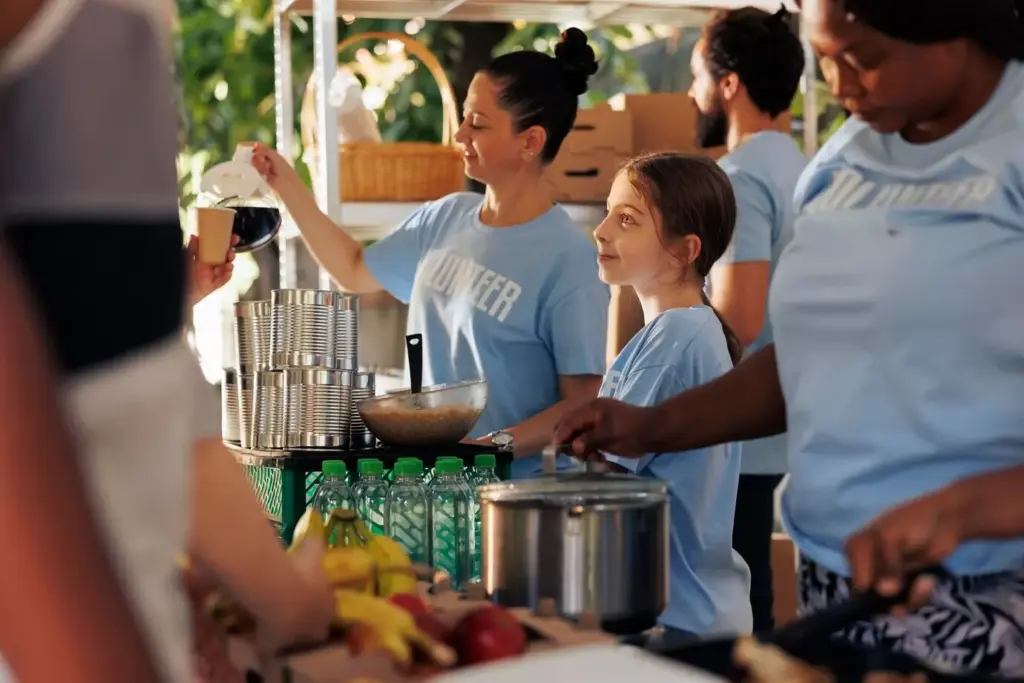
A sorting station only works if it is inviting, obvious, and supervised. Use color, icons, and consistent containers. Practice with a few items before guests arrive. Decide in advance how compost will be processed, and who will transport recycling, so diligent intentions translate into measurable results.

People Power and Joy

Culture makes habits stick. Invite helpers into co-host roles, give playful titles, and celebrate small wins. Share origin stories about your shift away from disposables. Let children lead sorting, elders teach recipes, and newcomers bring songs. A welcoming spirit multiplies impact far beyond a single night.
Tepofofekamixiralafere
Privacy Overview

This website uses cookies so that we can provide you with the best user experience possible. Cookie information is stored in your browser and performs functions such as recognising you when you return to our website and helping our team to understand which sections of the website you find most interesting and useful.