From Empty Field to Flowing Site

Before the first crate arrives, turn a blank landscape into an orchestrated route for vehicles, people, fuel, and plated meals. Assess access roads, turning radii, ground bearing, crowd desire lines, and proximity to neighbors while planning quiet zones, service lanes, shaded prep, and safe fuel storage that satisfies inspectors and calms stressed crews.

Power Systems That Don't Blink

Load Calculations That Reflect Reality
List every appliance with start-up and running wattage, diversity factors, and duty cycles across service peaks. Include mobile devices, lighting, extraction, and handwash heaters often forgotten. Model worst-case concurrency, then size sources and inverters accordingly, leaving headroom for a surprise blender, an extra fridge, or an emergency heat lamp without panic.

Hybrid, Solar, and Battery Integration

Use lithium batteries and inverters to shave generator peaks and provide silent service during low demand. Add portable solar mats for daytime assist and to power ticketing. Program automatic transfer to prevent brownouts. Track state of charge, temperature, and cycles, keeping shaded ventilation so batteries last the whole season without sudden derating.

Distribution, Protection, and Cabling

Lay out three-phase or split-phase distribution with color-coded tails, lockable boxes, and weatherproof connectors rated for expected ampacity. Keep cable ramps over crossings, elevate runs from muddy ground, and test RCDs before doors open. Label circuits per appliance so troubleshooting during rush minutes feels calm, quick, and confidently decisive for everyone.

Portable Kitchens Built to Perform

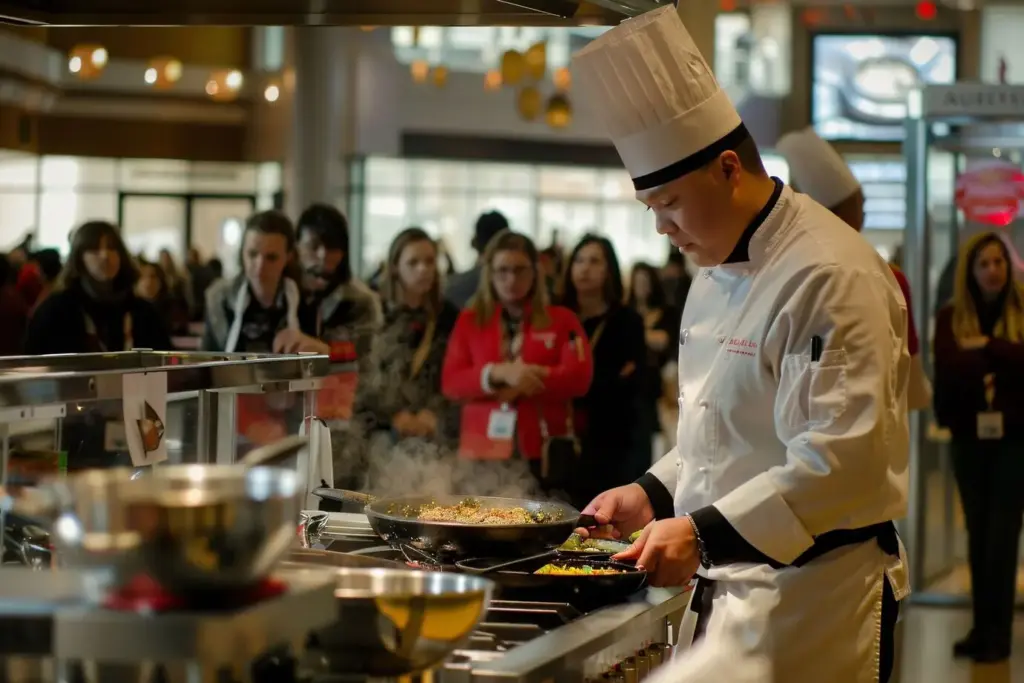
Mobile cooklines must travel hard and serve fast. Choose rugged gear with locking casters, transport latches, and protective cases. Standardize connections and spares. Build line-of-sight between expo, pass, and dish return. Balance propane, induction, and diesel heat sources to suit menus, emissions requirements, and local constraints while protecting flavor, speed, and crew stamina.

Refrigeration Without Compromise
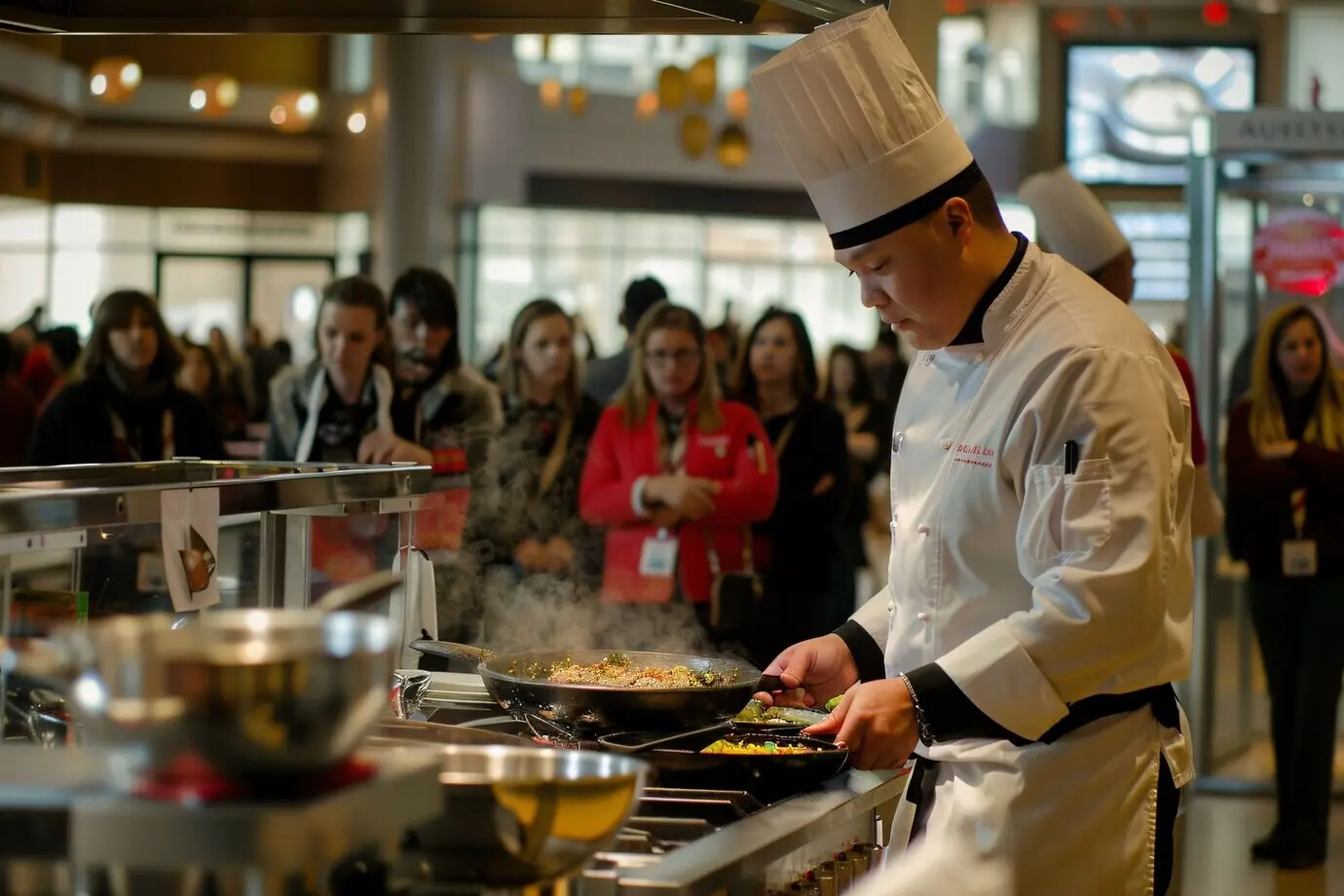
Use glycol coolers, high-efficiency fridges, and insulated cambros pre-chilled overnight on grid power. Limit door openings with clear loading plans and backup ice blankets. Record temperatures every service block and fit data loggers. If a unit fails, pivot to time-controlled service with rapid cook methods while protecting safety and transparency with calm announcements.

Water Sourcing, Storage, Treatment

Scout nearby hydrants, wells, or bulk deliveries, testing potability well before show day. Store in food-grade tanks secured against movement, shaded from heat. Add inline filtration and UV sterilization. Separate gray and black water streams, track volumes, and book compliant removal. Teach staff clear color codes so accidental cross-connection never steals sleep.

Contingencies, Weather, and Risk

Uncertainty is certain outdoors. Build spare capacity in power, refrigeration, staffing, and fuel. Model thunderstorms, heat spikes, wind warnings, and access closures. Prewrite comms for delays. Practice load shedding priorities so service continues safely. Keep insurance, permits, and incident logs at hand, earning confidence from partners before anything unplanned nudges your timeline.

People, Timing, and Communication

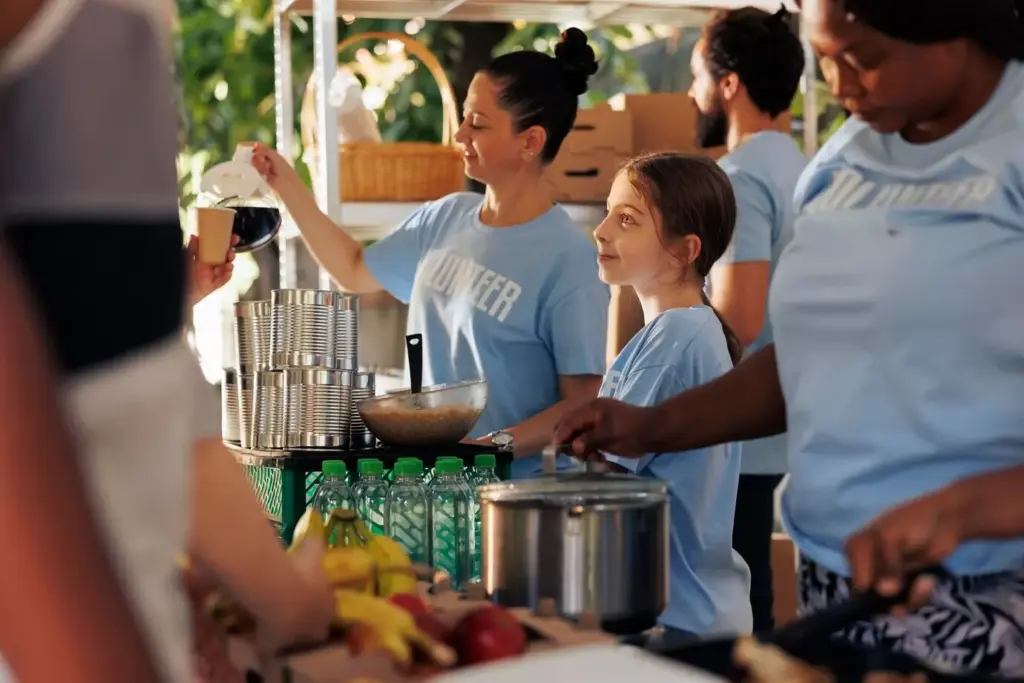
Great gear still depends on great humans. Staff for the load curve, invest in training, and communicate relentlessly. Write clear run sheets, shift rotations, and contact trees. Feed the crew, protect rest, and rotate hot stations. Invite feedback, capture lessons, and celebrate wins so morale and quality stay high from setup to teardown.

Crew Roles and Shift Design

Define leads for kitchen, power, logistics, hygiene, and safety, then back each with deputies. Build shifts around breaks and natural energy dips, with overlap for handovers. Keep spare hands floated to hotspots. Share personal needs with empathy so tough days feel supported, and departures don’t silently erode capability during crunch periods.

Briefings, SOPs, and Checklists

Hold short, focused briefings at call time with weather, hazards, and service goals. Use laminated SOPs at each station for quick refreshers. Encourage questions without ego. Standardize hand signals for loud moments. After close, log issues and shout out wins. Invite readers to share favorite checklist items that truly saved their event.

Vendors, Authorities, and Neighbors

Coordinate deliveries, permits, inspections, and noise windows with a single calendar everyone trusts. Share contact sheets, site maps, and power schedules ahead of arrival. Introduce yourself to neighbors and offer a hotline. These gestures build grace when a truck arrives late or a generator hum travels farther than your optimistic sound map.

Tepofofekamixiralafere
Privacy Overview

This website uses cookies so that we can provide you with the best user experience possible. Cookie information is stored in your browser and performs functions such as recognising you when you return to our website and helping our team to understand which sections of the website you find most interesting and useful.